About us
Herbarium Studio: Preserving Nature Through Aesthetic Herbaria
Herbarium Studio was born out of a long-standing love for the plant world. Through experimenting in the garden, using trial-and-error methods, we arrived at the idea of preserving plant specimens in the form of aesthetic herbaria. Our goal is to highlight the importance of the plant world around us—a world without which human life would not be possible. We work with various plants that we have sown and cultivated, which means our garden contains both annuals and perennials.
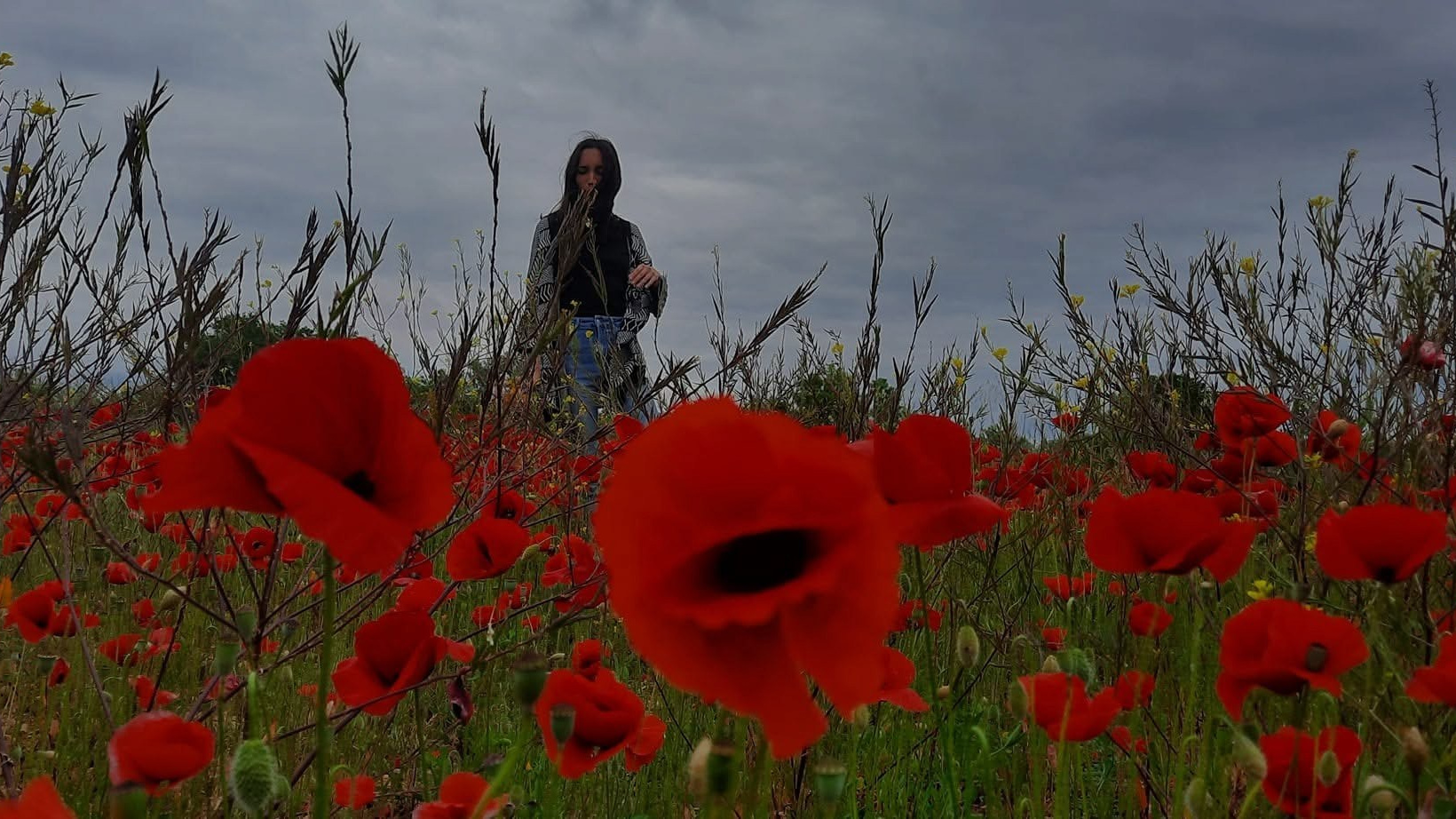
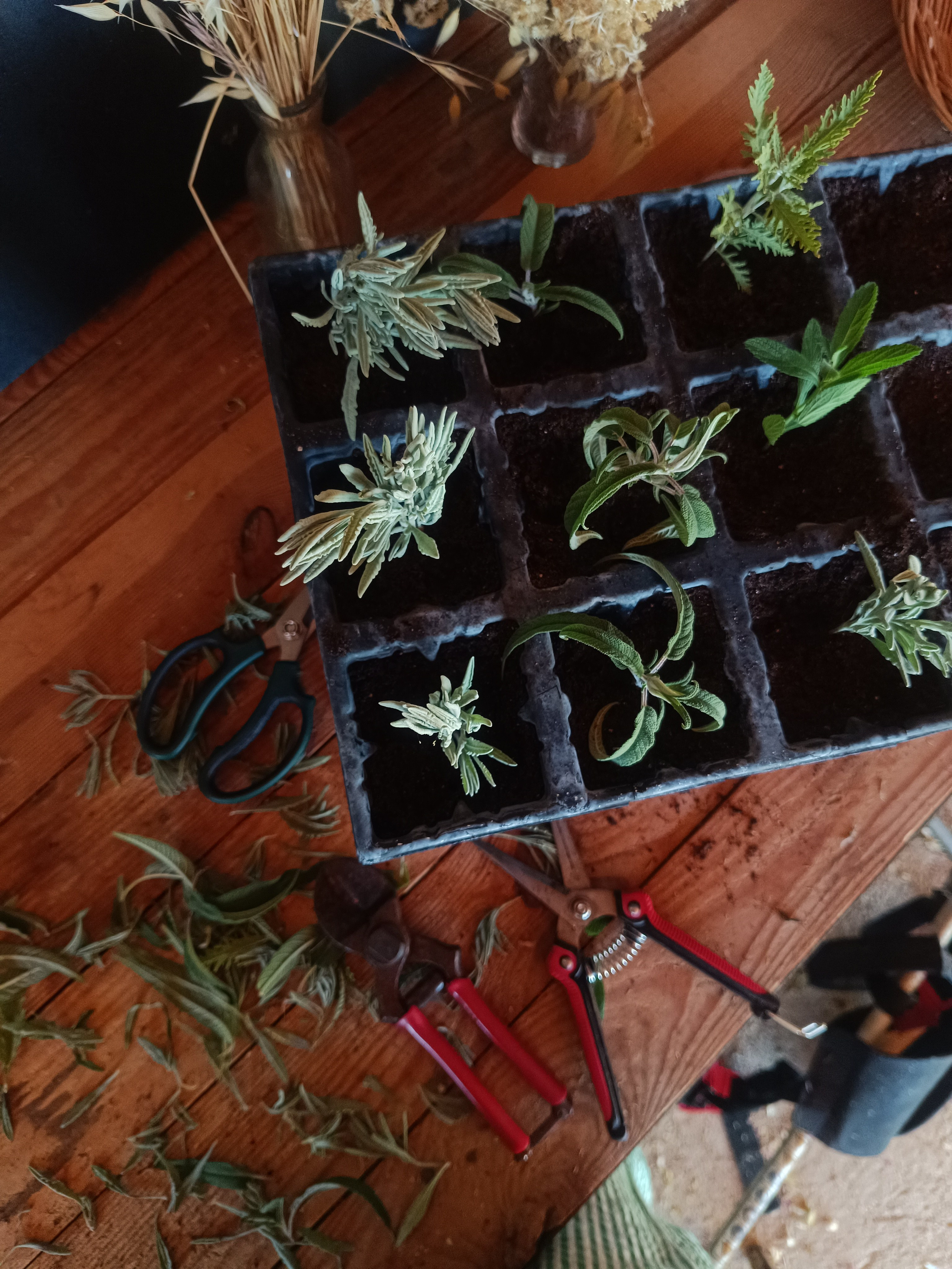
Kod jednogodišnjih vrsta svake jeseni i proljeća ponavljamo sjetvu. Što se tiče trajnica sadnju vršimo najčešće u jesenskom periodu koje je za naše podneblje poželjnije.
Trajnice nabavljamo od domaćih OPG-ova kod kojih se mogu pronaći razne vrste biljaka, a posebno nas vesele lijepe starinske domaće trajnice, kojima gotovo prijeti zaborav. No, zahvaljujući trudu uzgajivača, i dalje žive i uljepšavaju vrtove, podsjećajući nas pritom na njihovu važnu ulogu kao nositeljica bogate kulturne baštine koju je potrebno očuvati.
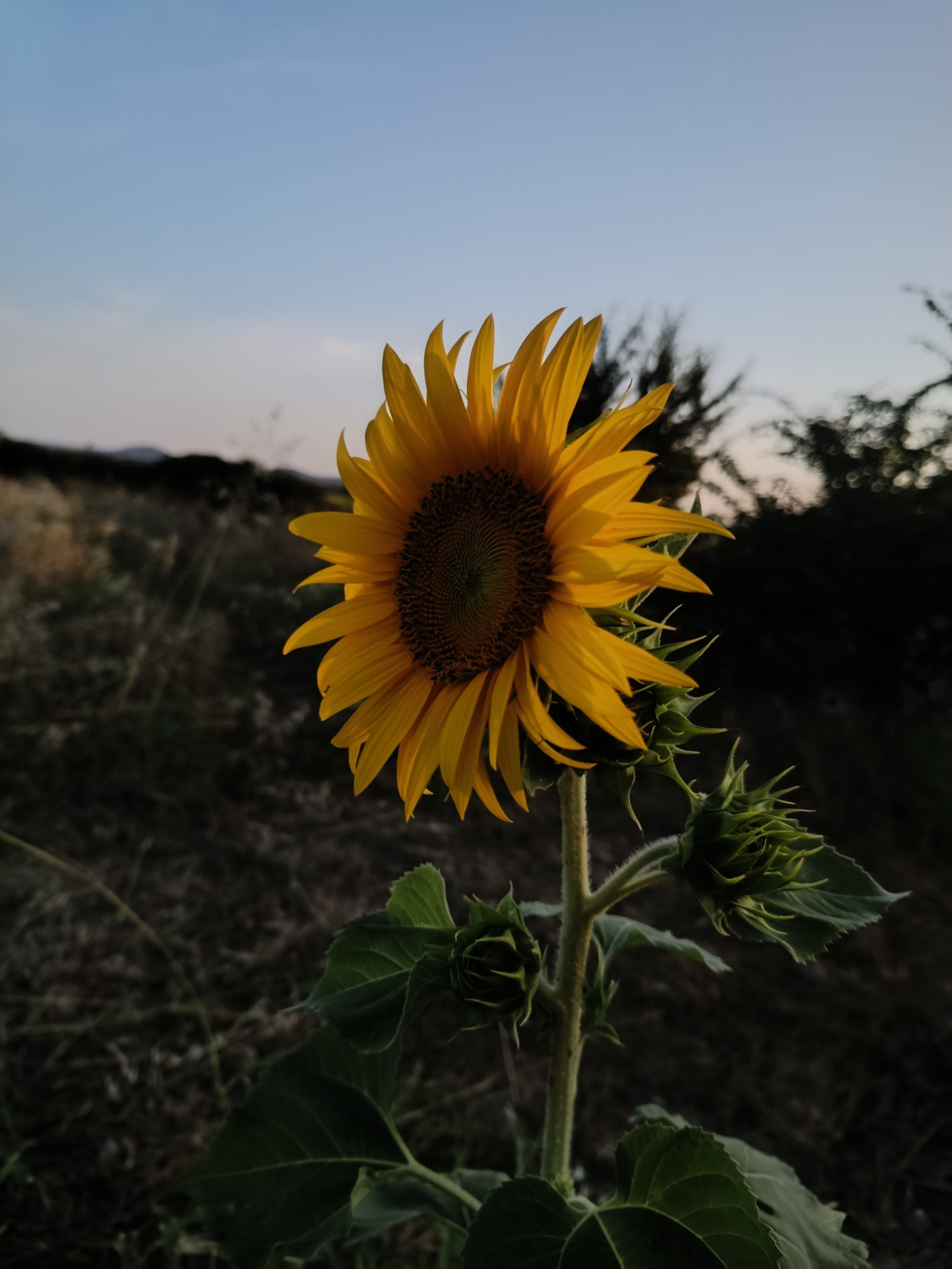
Dva put godišnje također posijemo i cvjetne livade namijenjene pčelama i ostalim oprašivačima, s ciljem poticanja i održavanja prirodne bioraznolikosti. Uz to, uzgajamo i biljke čija se prirodna staništa smanjuju zbog različitih faktora. U radu nas inspiriraju mediteranski, naturalistički i suhi vrtovi, zbog podneblja u kojem se nalazimo. Vodimo se idejom održivog vrtlarenja, osluškujući prirodne uvjete. Ovaj proces neizostavan je dio nastanka svake herbarij slike.
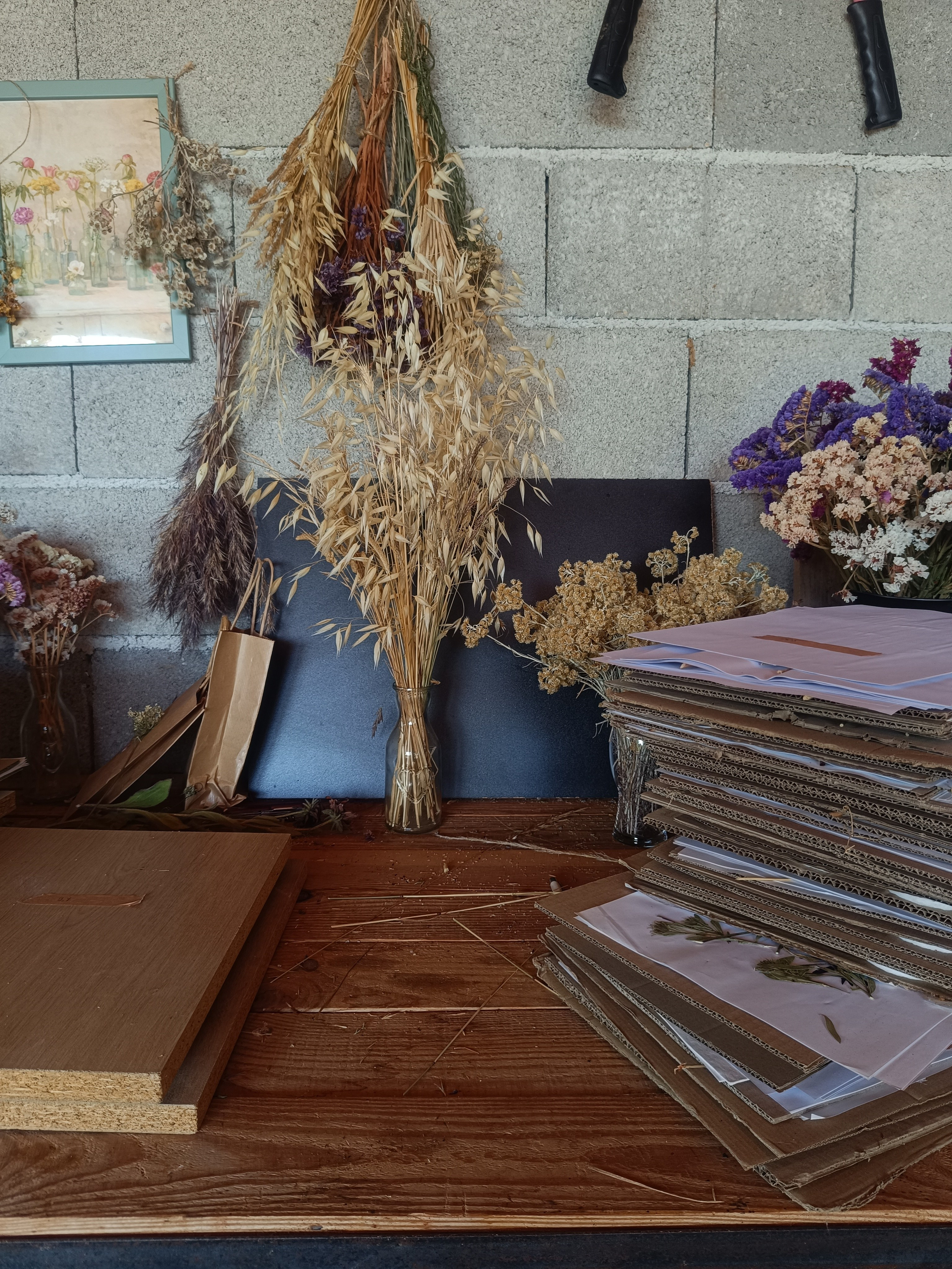
Tijekom sezone cvatnje, od proljeća do kasne jeseni, vrijeme je berbe bilja i prešanja. Sam proces prešanja može trajati i do osam tjedana, uz redovitu zamjenu papira koji upija vlagu. Kad su biljke spremne za upotrebu, pohranjujemo ih u herbarij zbirke, iz kojih nastaju botanička djela. Smatramo da herbariji u službi estetike zaslužuju svoje mjesto u prostoru kao eksponat te da unatoč gubitku boje kroz godine potvrđuju svoju vrijednost kao živo svjedočenje opiranju vremenu i zaboravu.