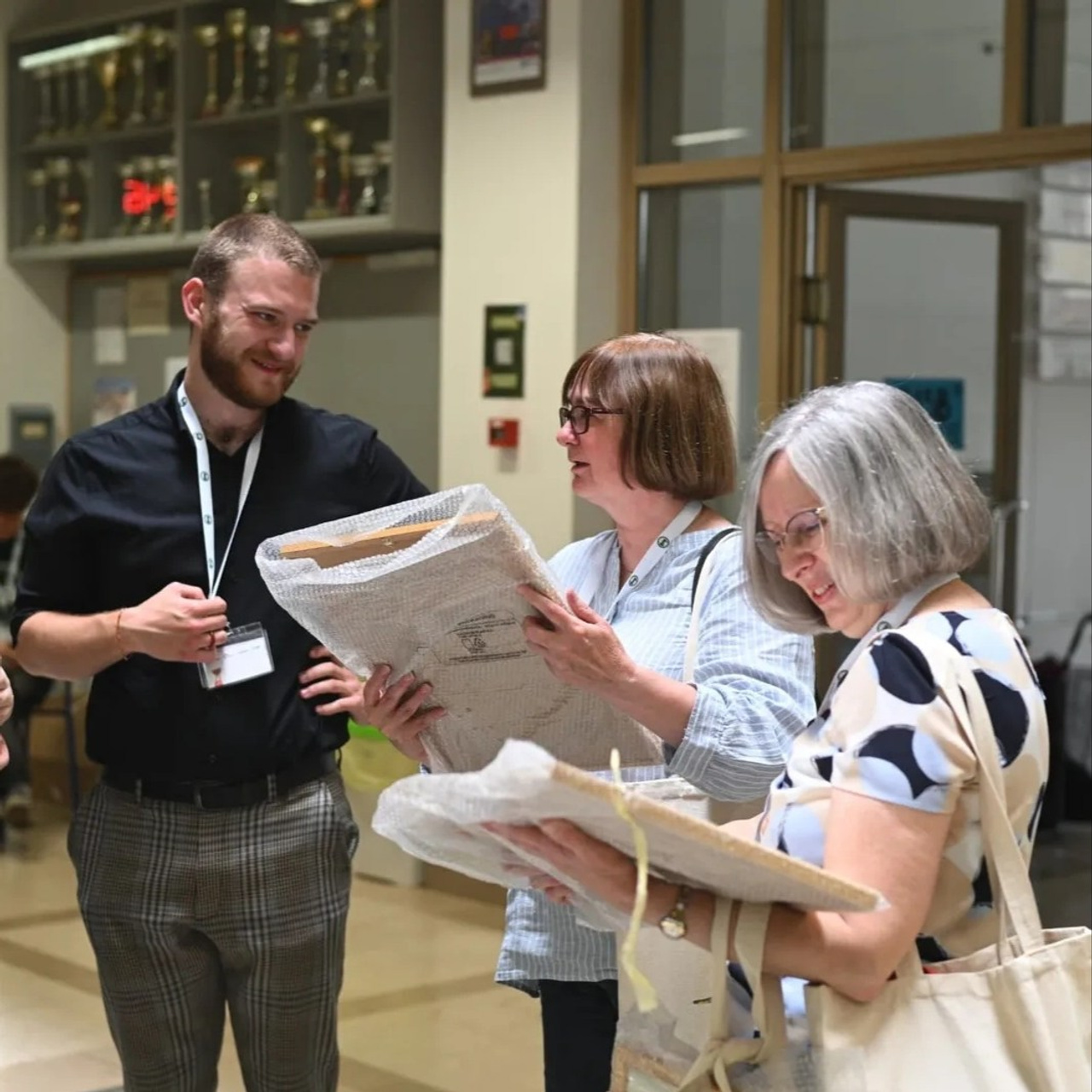
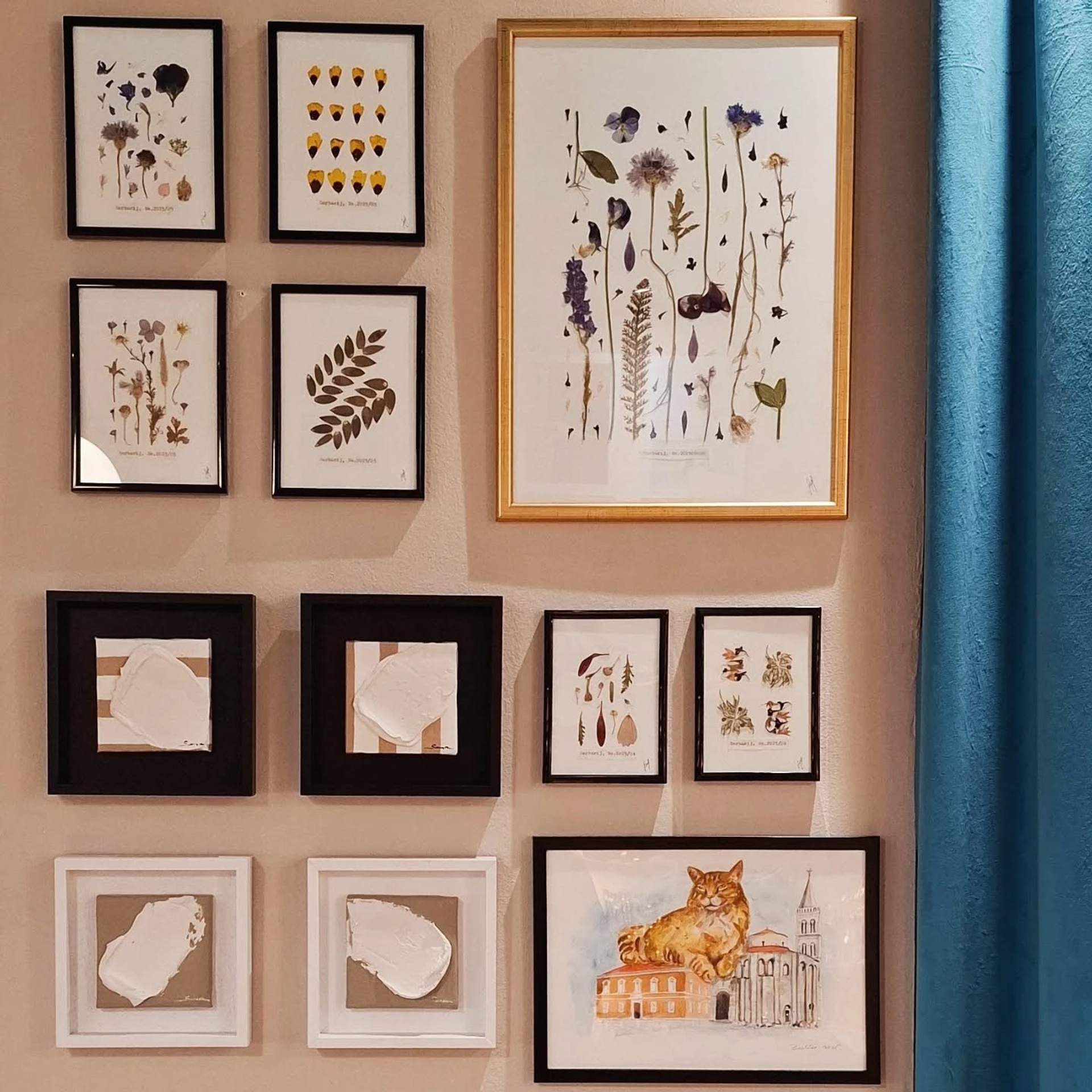
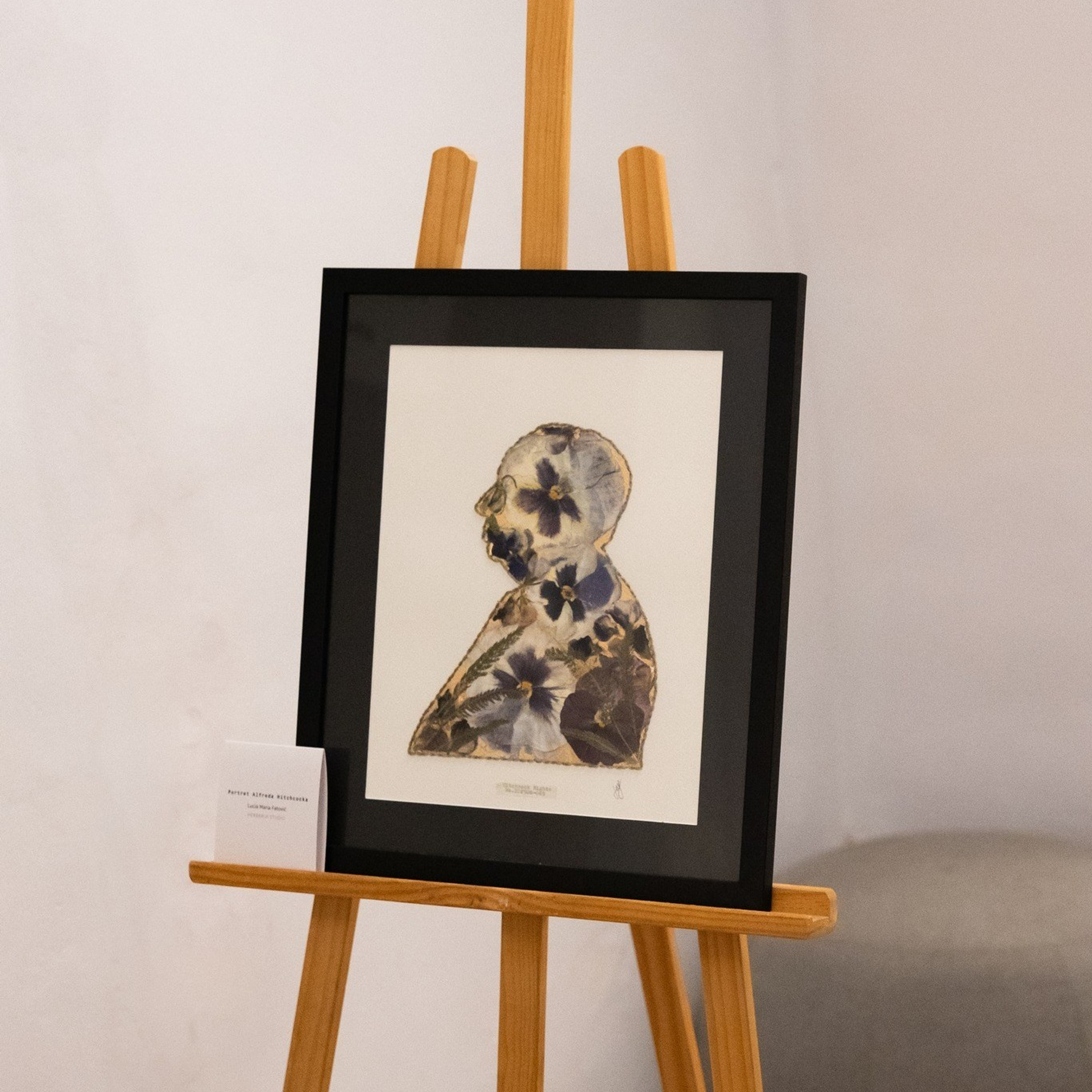
I would like to take this opportunity to personally thank the Natural History Museum Split for their collaboration during Museum Night 2025, where an artistic herbarium in A4 size was sent. I am also grateful for allowing me access to an example of a scientific herbarium (yarrow/Achillea millefolium) from the museum’s collection. The published photographs are examples of the herbarium from both an artistic and a scientific perspective.
The plant yarrow served as a shared object of observation, but with different methods of looking and for different purposes. Let us recall that pressing and preserving plants has served, and continues to serve, botanists primarily for scientific study. However, herbaria, besides their scientific purpose, soon become objects of interest among philosophers and artists, making them valuable subjects for aesthetic exploration.
Plants attract me with a strange magnetism, and yarrow, at the same time the emblematic symbol of the Herbarij Studio logo, holds a special place. This beautiful plant, besides being medicinal and honey-producing, is also used as an ornamental plant in bouquets, and today there are numerous cultivars in stunning color palettes.
Interestingly, yarrow holds an honorable place in Greek mythology. It is named after Achilles, who, according to legend, was immersed in a yarrow bath, which in return gave him invincible power and strength in various battles. However, the only part of his body not immersed was his heel, giving rise to the expression “Achilles’ heel” as a metaphor for someone’s vulnerable point or weakness. According to another legend, Achilles generally used yarrow to heal wounds.
In any case, yarrow is a highly medicinal and valued plant among herbalists, botanists, pharmacists, monks, nuns, and phytotherapists. Among the people, it is also called “hajdučka trava” (Hajduk’s herb) because its healing properties were recognized even by the Hajduci. The species name millefolium comes from the Latin mille (thousand) and folium (leaf). The plant is most commonly found in moderately moist and dry soils, growing along roadsides, clearings, and meadows.
Whichever paths you walk, take a look around, you may already be observed from some corner by a yarrow.


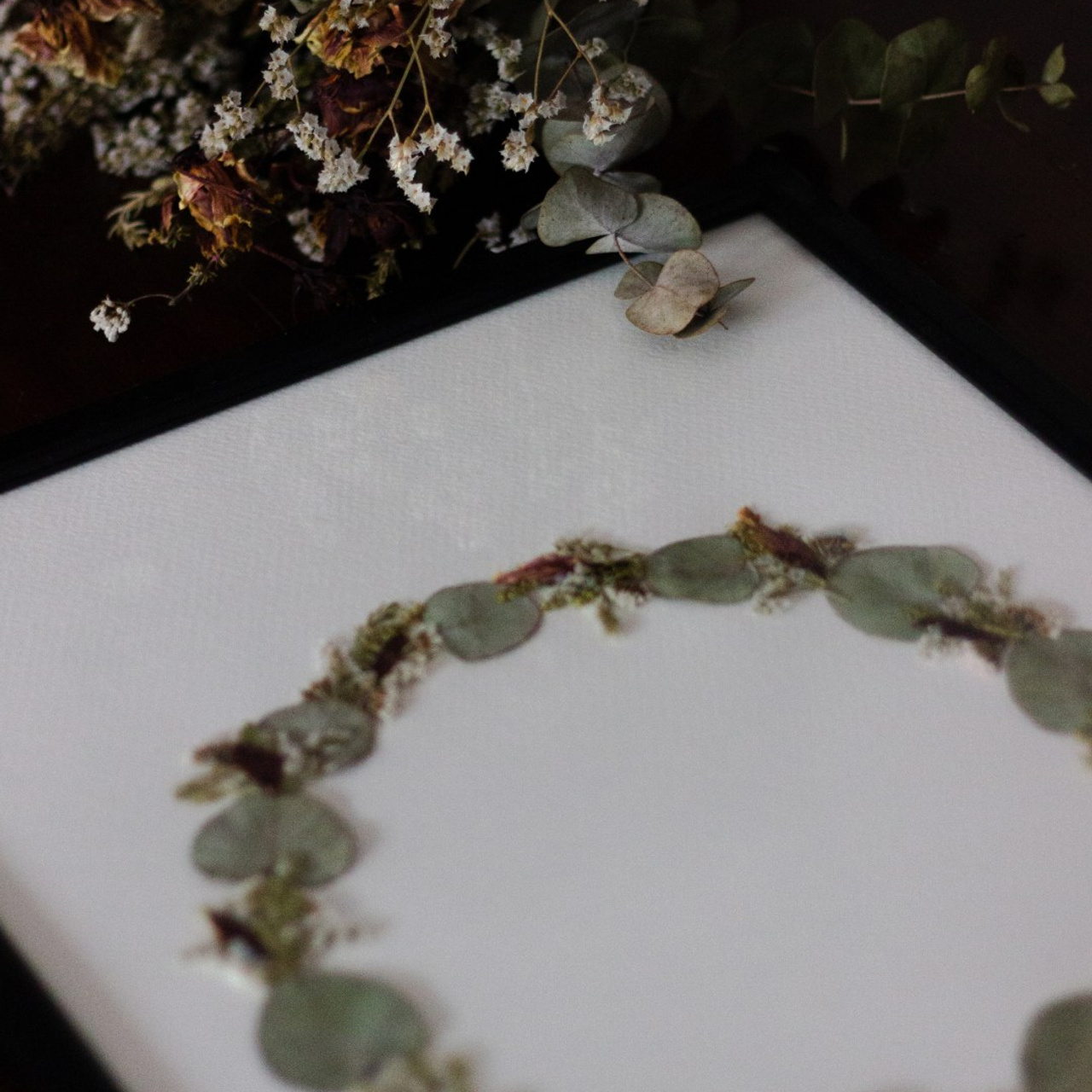
The Connection Between One’s Own Work and the Local Environment
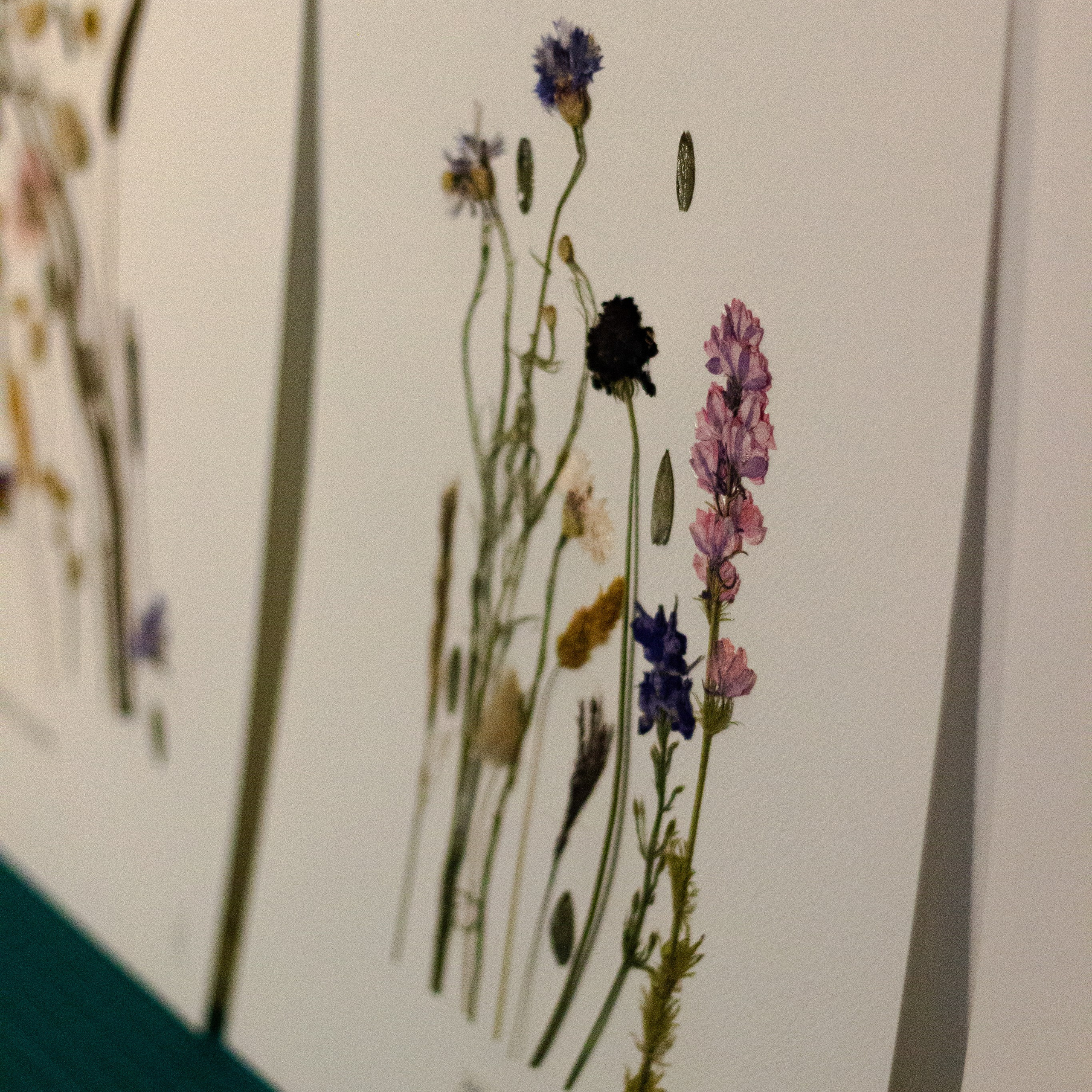
The Beginnings of Botany in Dalmatia

Collaboration Between Herbarij Studio and the Association Mala Filozofija
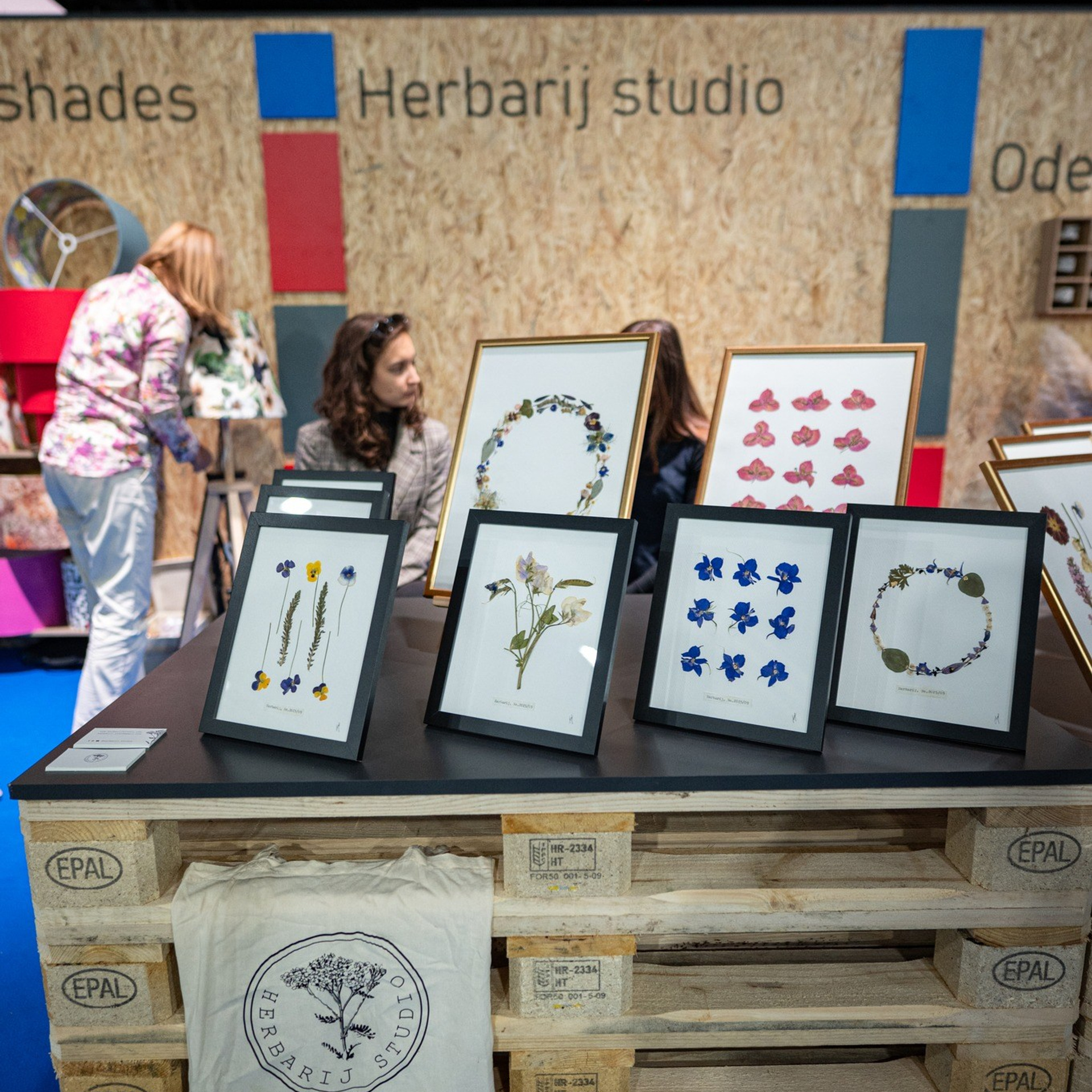
IN Design Fair with Mirjana Mikulec
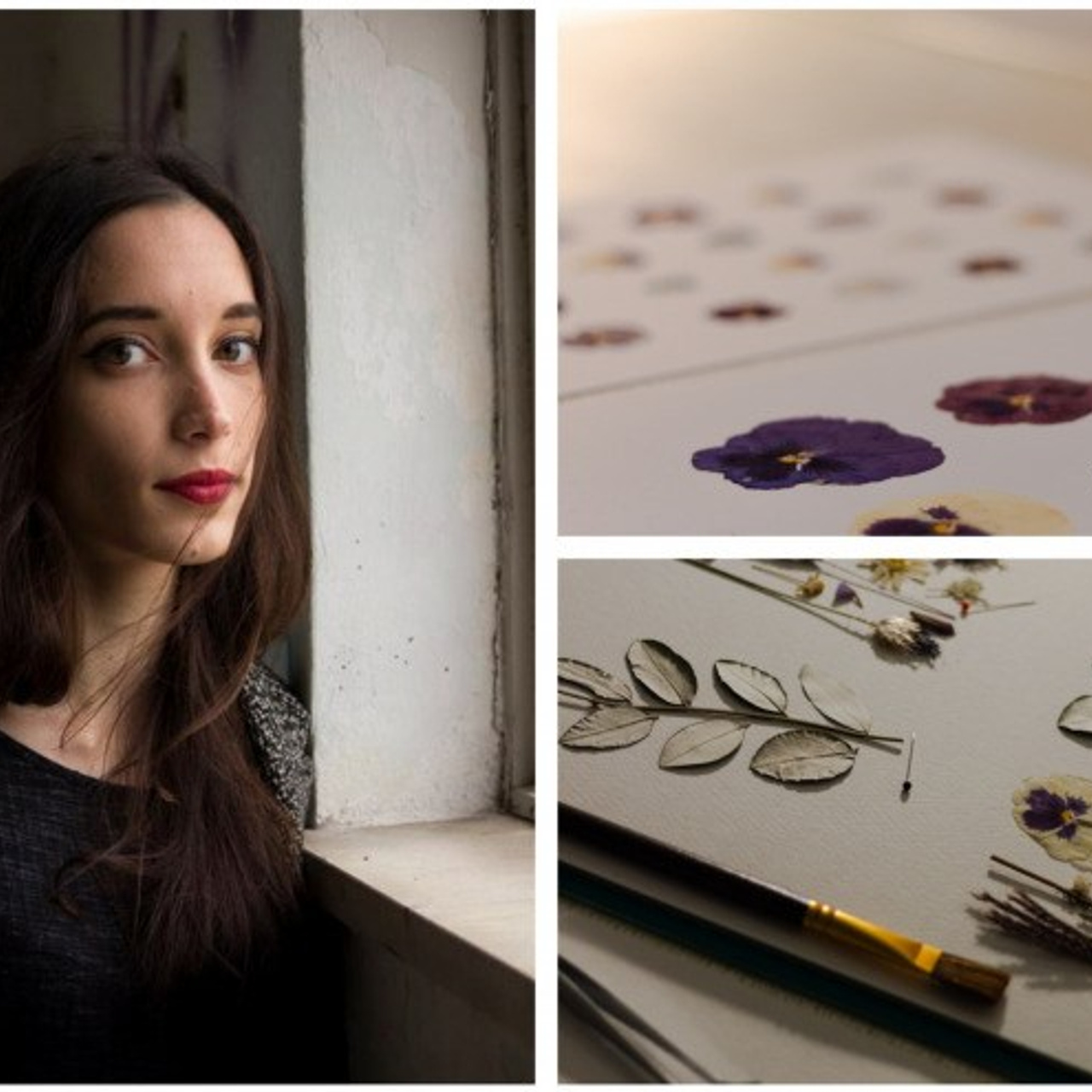
Interview: HERBARIJ STUDIO — Herbaria Are a Lasting Reminder of Both the Fragility and the Strength of Life — Zadarski List
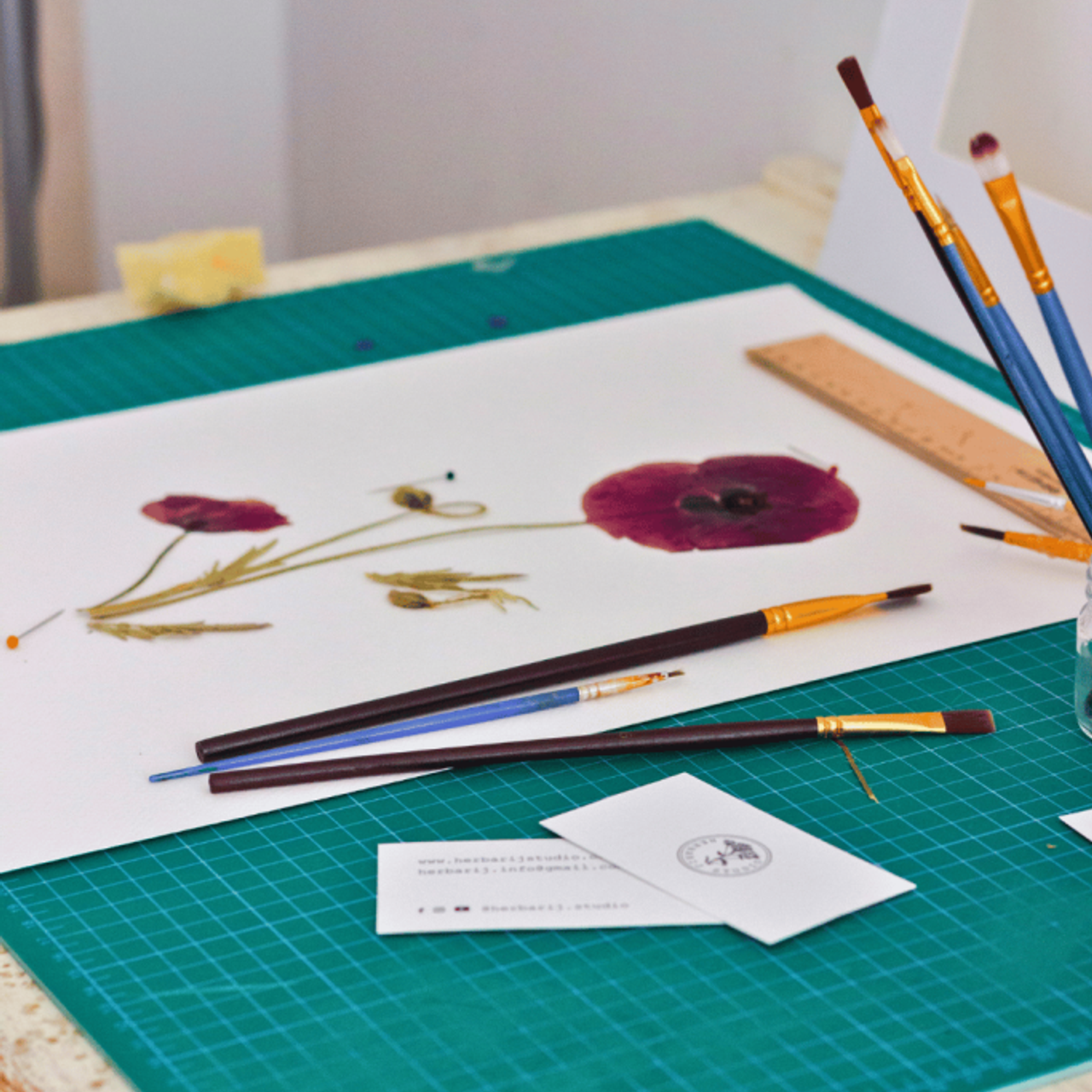
Interview: INDIZAJN TALK — Maria-Lucia Fatović Brings Us Back to Nature and Childhood Through Her Herbaria
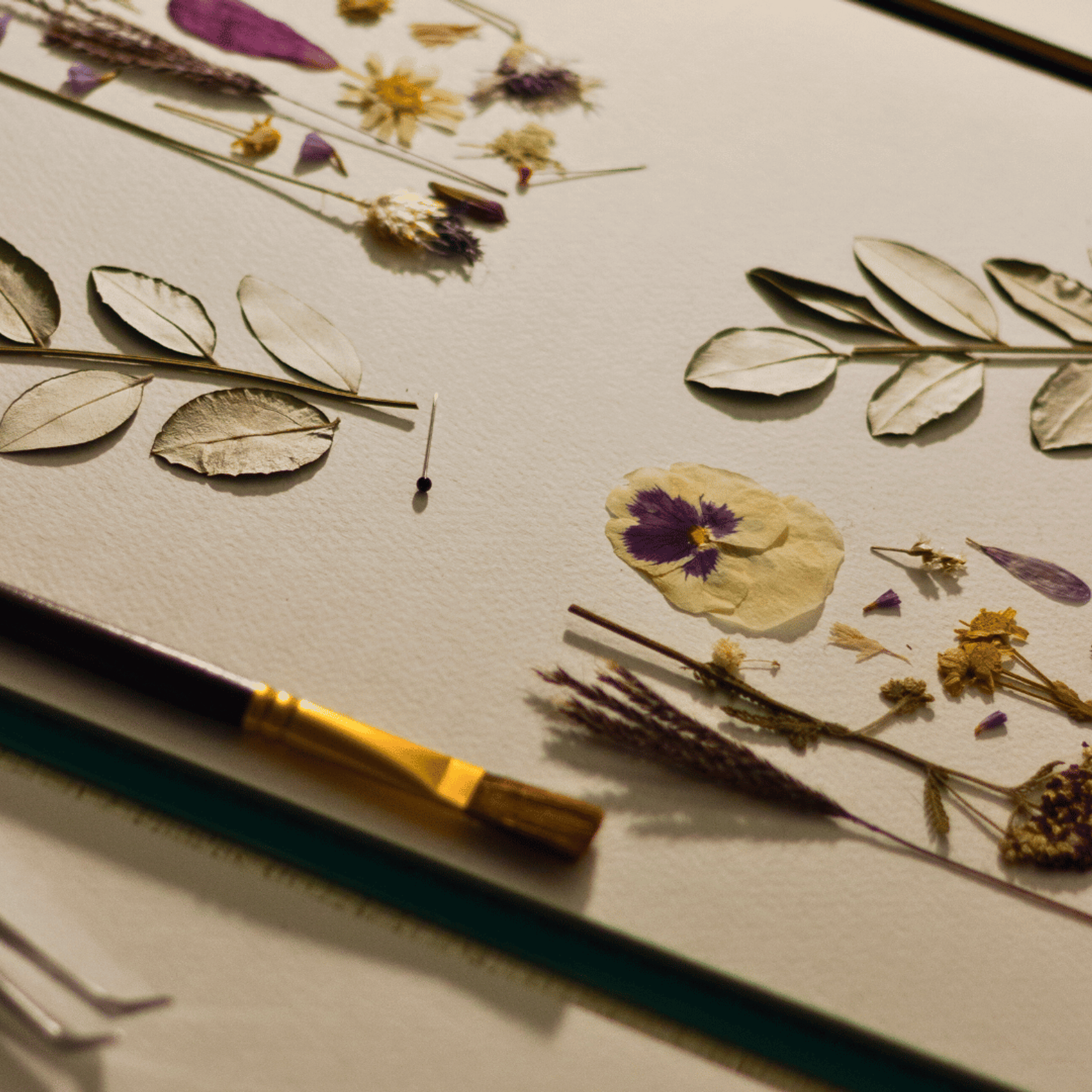
Interview: PELCER — Herbarij Studio: A Conversation About Plants That Last