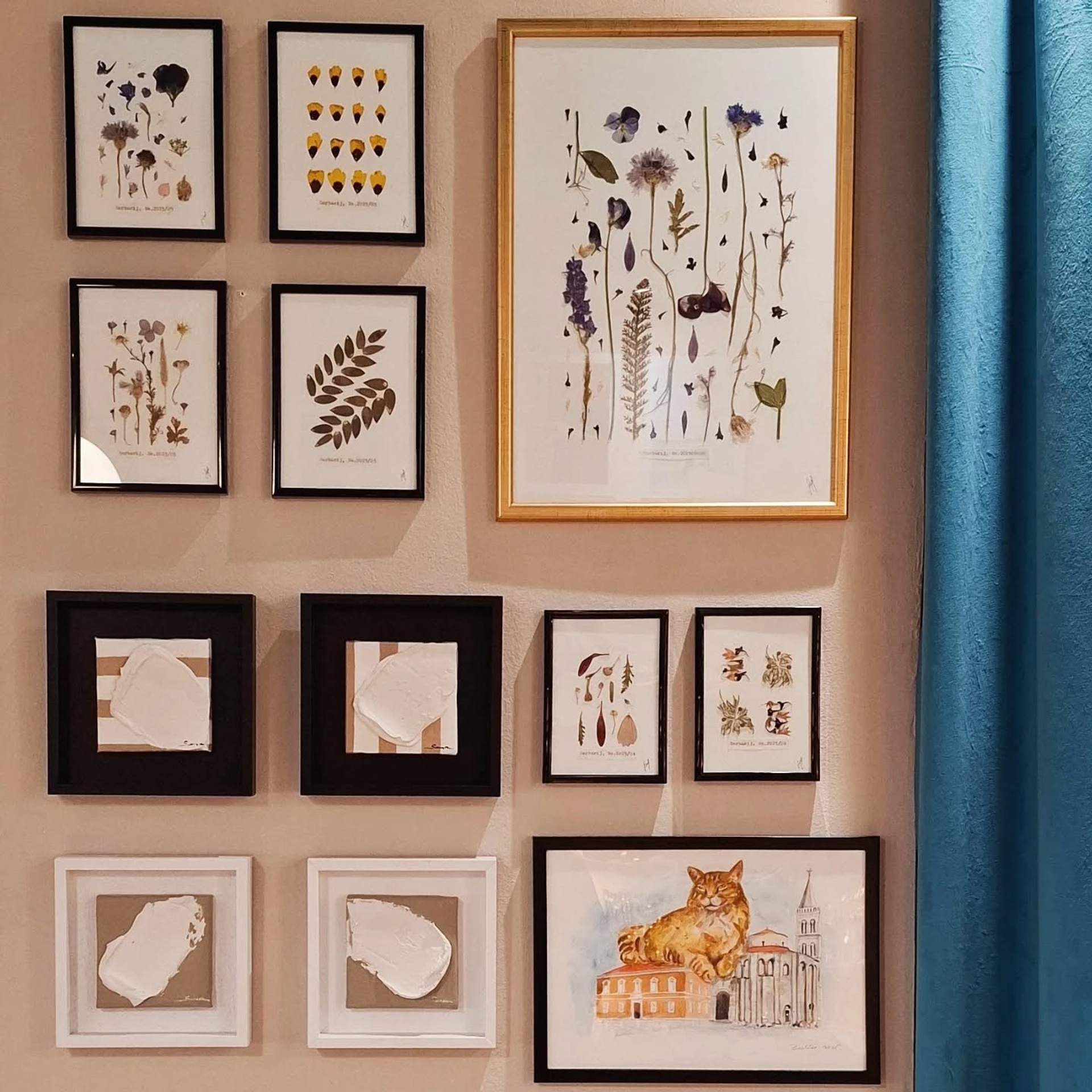
The primrose (Primula vulgaris) is one of the first (as its name itself suggests) flowering plants, heralds of spring in a time when the days are still cold and gloomy. There are numerous cultivars (Primula acaulis) in beautiful colors. These same plants, now 50×70 cm in size, adorn interiors and serve as a lasting reminder of spring—but also of F. Nietzsche’s idea of the eternal return, which points to the cosmic order of things. Although this idea carries a somewhat somber connotation, Nietzsche skillfully counterbalances it by offering art as a means to temper the harshness of life. Just as the primrose is a harbinger of spring, Nietzsche, with his poetic philosophy, profoundly influenced 20th-century culture. “Everything breaks, everything comes together again; the same house of being is eternally built. Everything separates and everything reunites; the circle of being is eternally faithful to itself.” Thus, looking at primroses and their circular form regularly reminds me of life’s cycles.
But what is the connection between Nietzsche and plants in general? What did he have to say about the plant world?

Most people are somewhat familiar with Nietzsche’s philosophy, which continues to live on and inspire generation after generation. Undoubtedly, he left behind a rich and vivid oeuvre of such intensity that anyone with even a modicum of sensitivity to the depths he explored cannot help but be astonished, moved, and fascinated by his theses. What particularly drew my attention was Nietzsche’s view of the plant world, which offers alternative horizons and insights that were long taken for granted. What can seemingly helpless plants teach us about self-expression, about “being-I” in the world? “…climb and winds and finally gains some light and path of soil and thus creates for itself its share of joy on an inhospitable ground.”
Although plants are subjected to their environment and depend on nature’s benevolence, sunlight, water, soil, and nutrients, they are also creators of their own life, Nietzsche observes. Their silence speaks far more than words ever could. Through their extravagance, their insistence on color and form, they command attention. Plants have no sight, hearing, or speech, yet they know no boundaries in expressiveness. Silence does not imply the impossibility of thought, consciousness, or mind. Like plants, humans put down roots, and despite vulnerability and exposure to the whims of the universe, we can create moments of joy and use what we are given, all while imagining ourselves as masters of our own lives.


Moreover, gardening itself allows for the expression of being. Consider, for example, English gardens that imitate untamed nature. The gardener believes that in creating the space, they have expressed a part of themselves, yet they are doing no more than nature itself has done for itself.
In contrast, the clear lines of perfect, formal gardens and their defined boundaries represent the pure, sublime beauty of human design. Examples include Italian gardens, masterpieces of art and nature, characterized by strict geometry and perfect symmetry.

However, Nietzsche argues that in such design something wild, primal, Dionysian, and unpredictable is missing—something that would provoke and deeply shake the inner being. By shaping the perfect garden (or life), humans suffocate both themselves and the world, losing the experience of a living encounter with Life, which is possible through the unpredictable and uncertain. Humanity and nature touch, but they never fully merge. Gardeners are aware of nature’s superiority, yet they continue to cultivate a piece of land; this act is, in itself, a touching and profound recognition of humanity’s place in relation to majestic nature. Whatever type of garden appeals to you—formal or informal—gardens are, without a doubt, expressions of beauty, whose creation requires great effort and constant care.
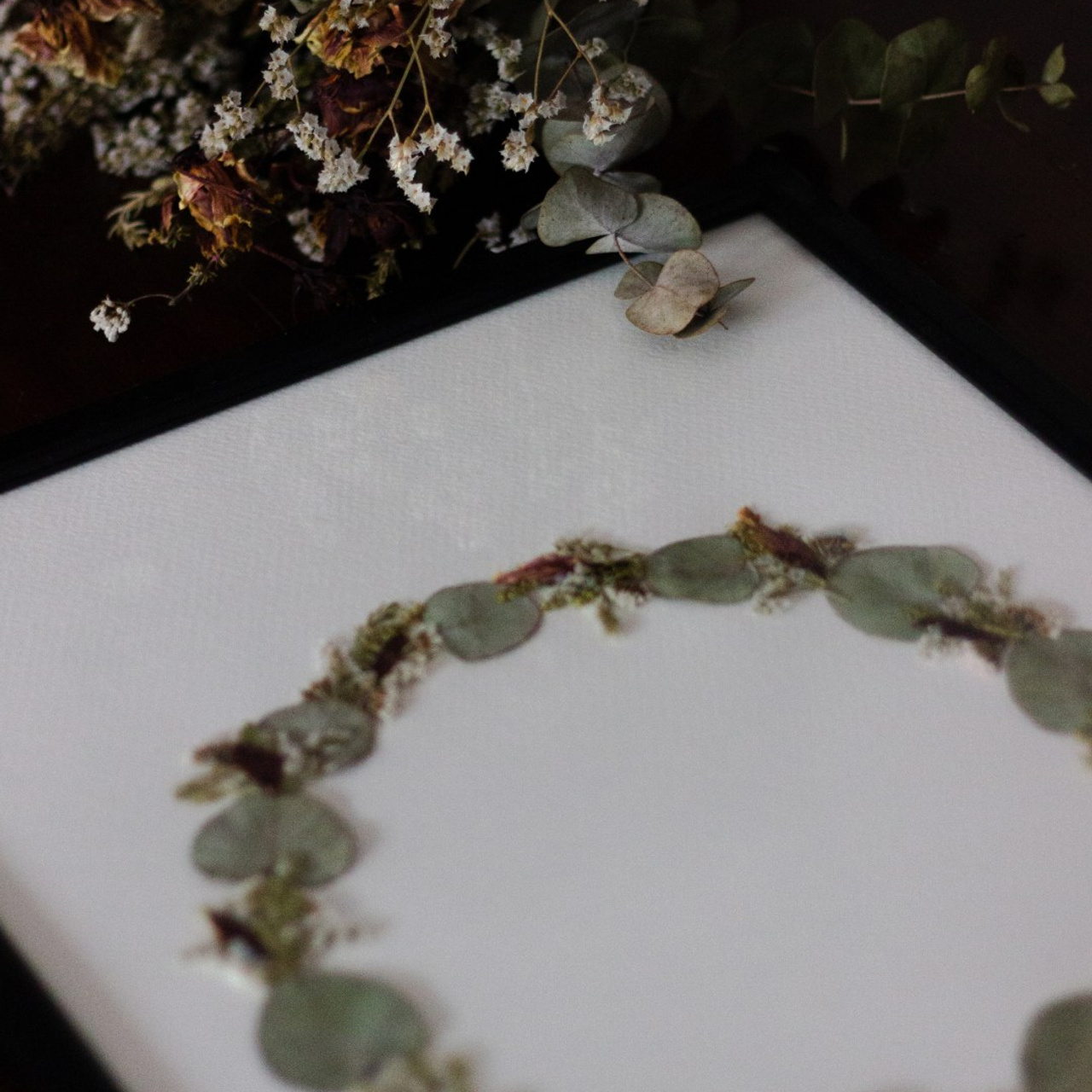
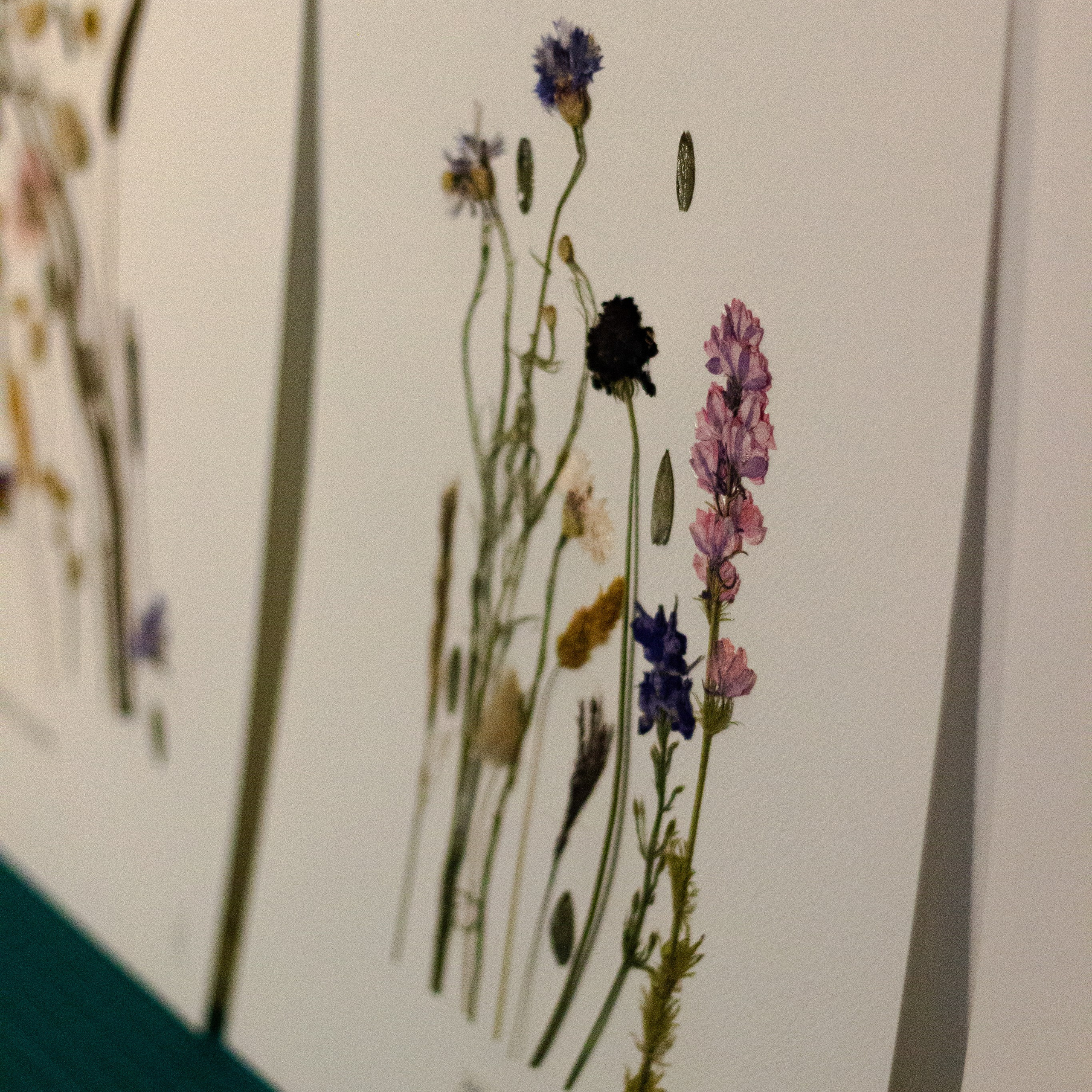
The Connection Between One’s Own Work and the Local Environment
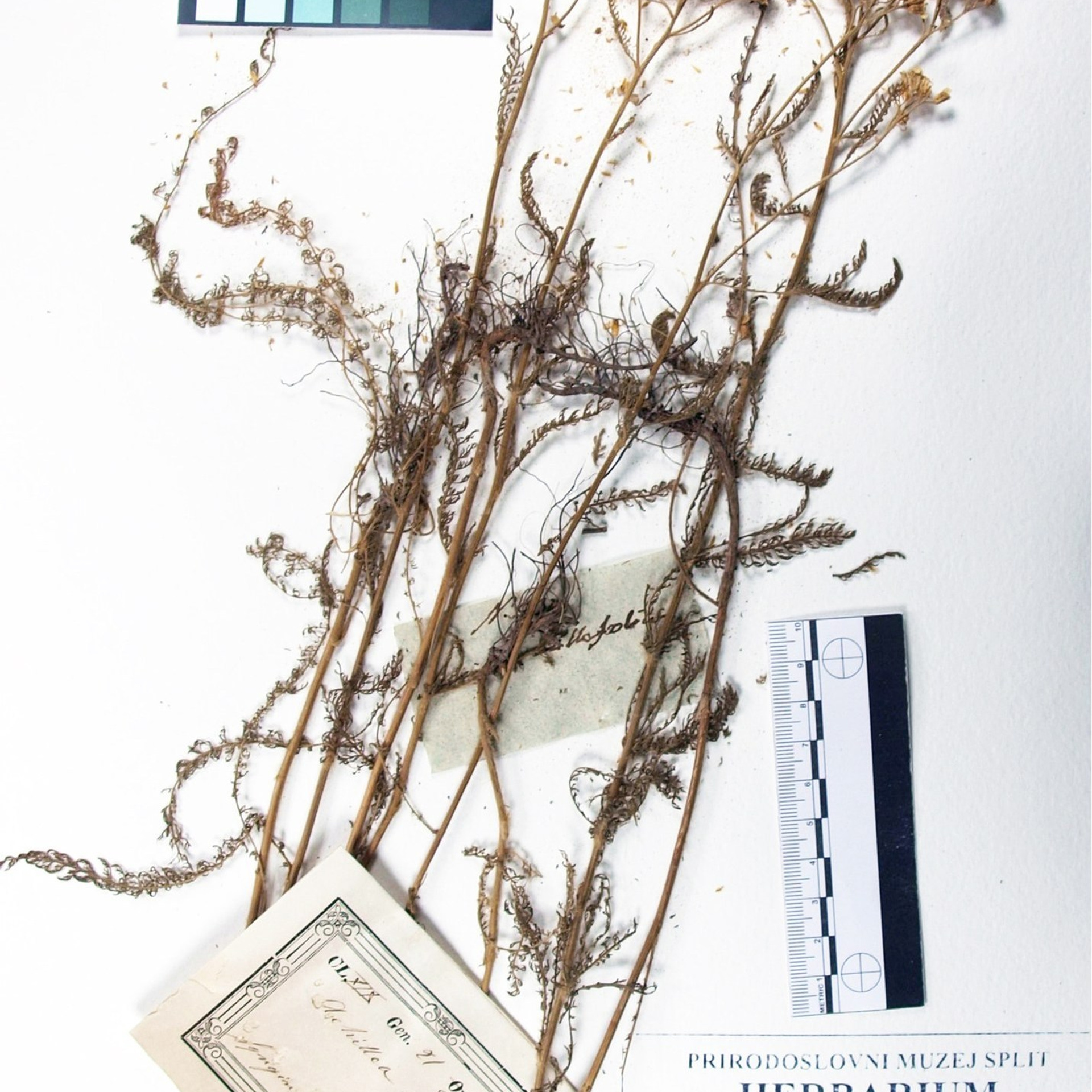
The Beginnings of Botany in Dalmatia

Collaboration Between Herbarij Studio and the Association Mala Filozofija
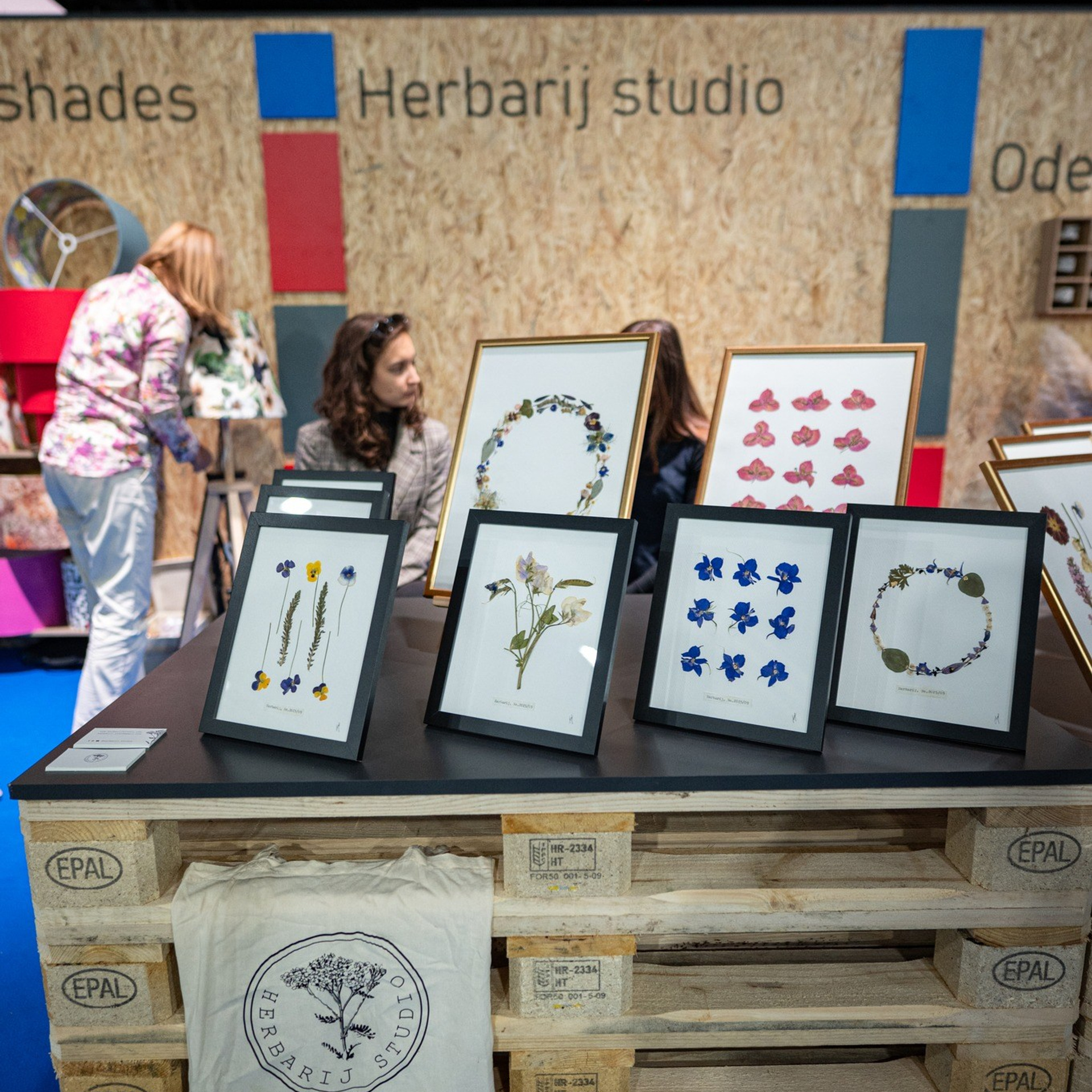
IN Design Fair with Mirjana Mikulec
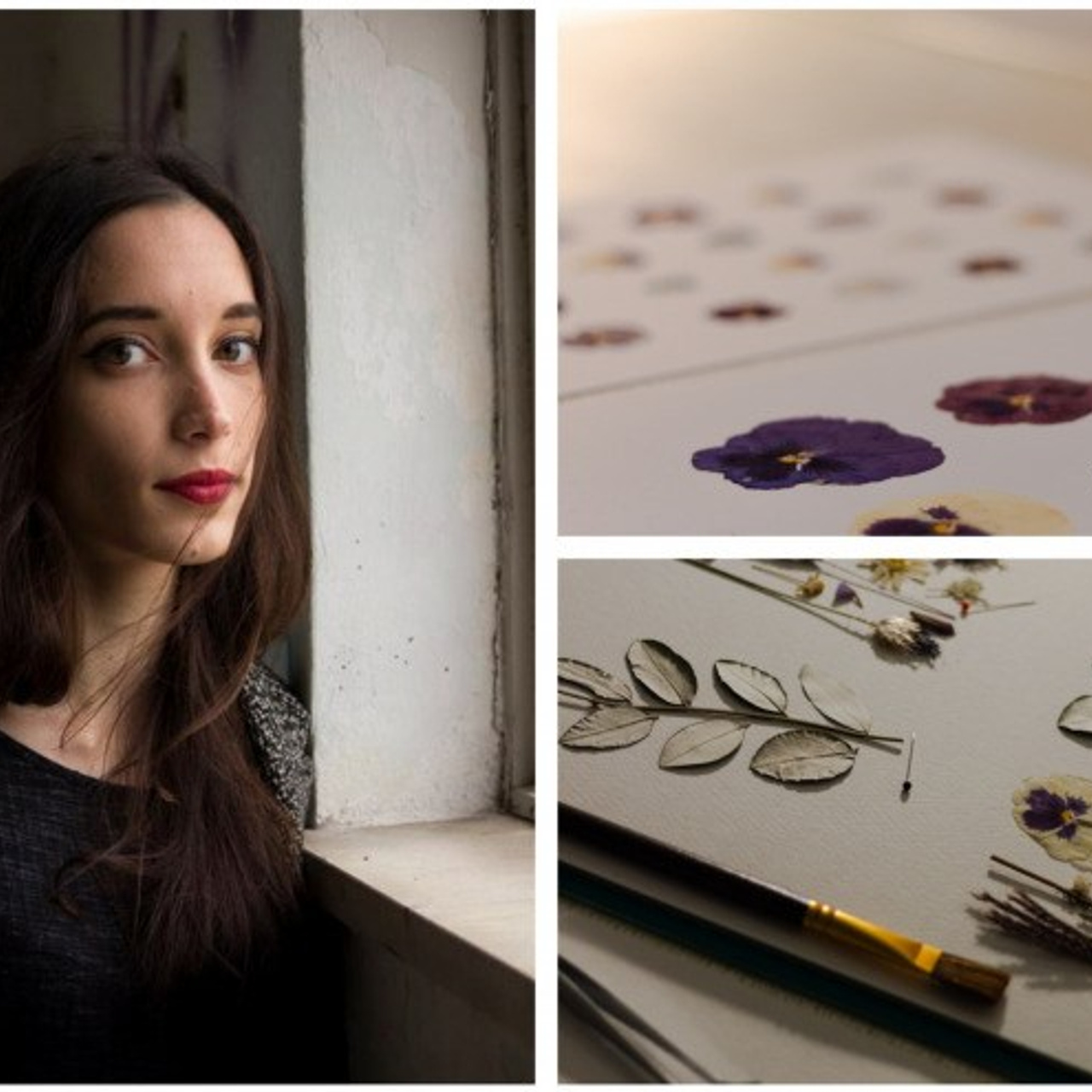
Interview: HERBARIJ STUDIO — Herbaria Are a Lasting Reminder of Both the Fragility and the Strength of Life — Zadarski List
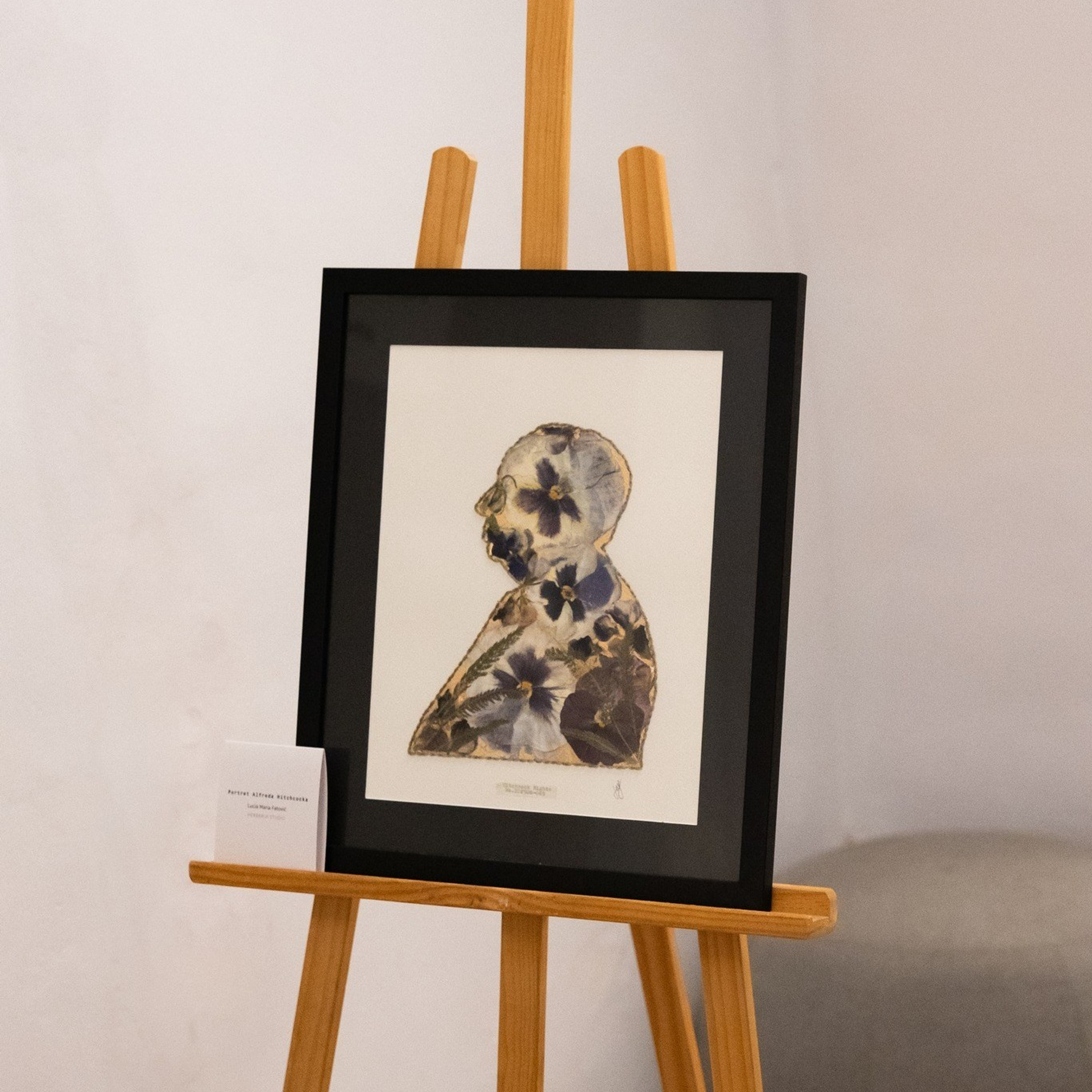
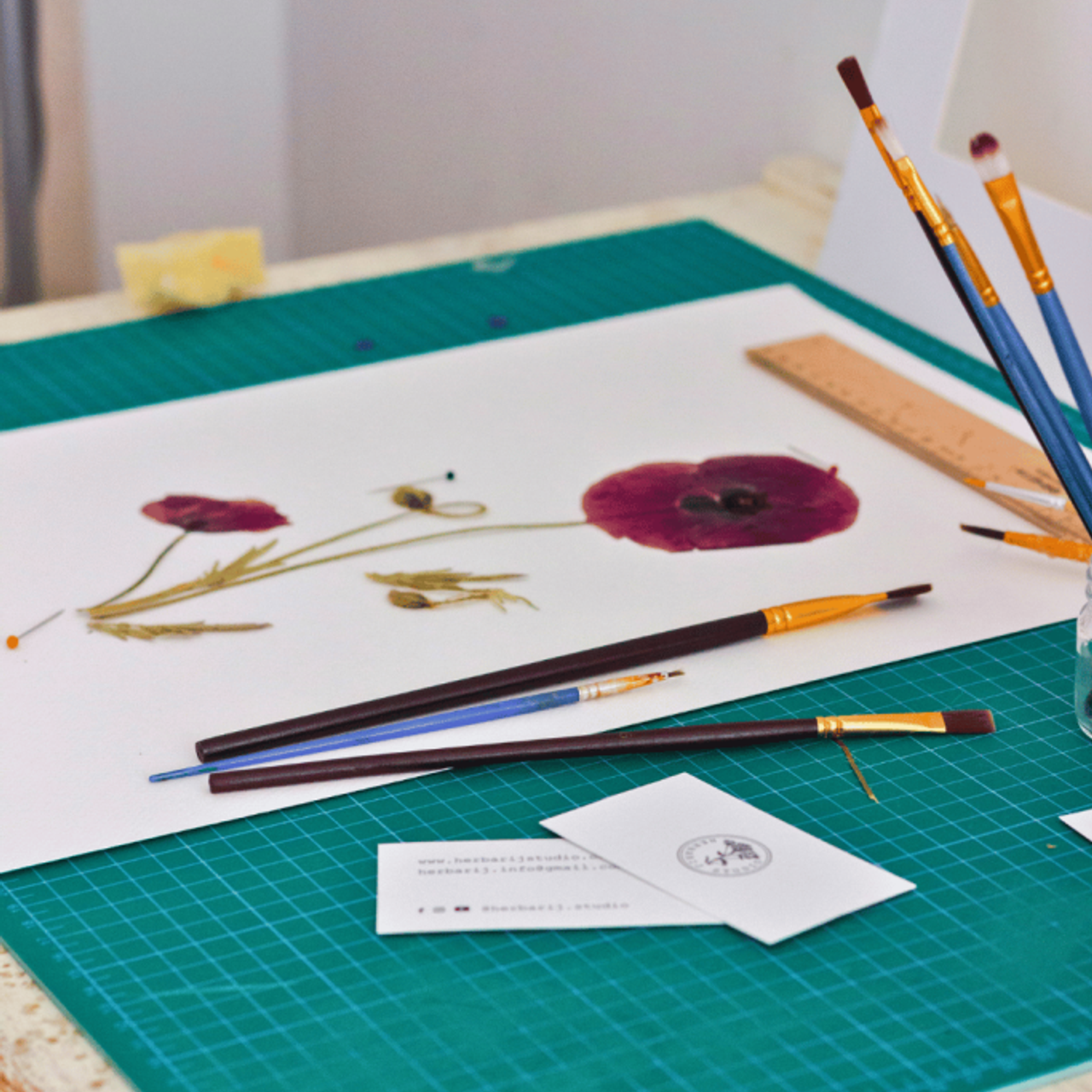
Interview: INDIZAJN TALK — Maria-Lucia Fatović Brings Us Back to Nature and Childhood Through Her Herbaria
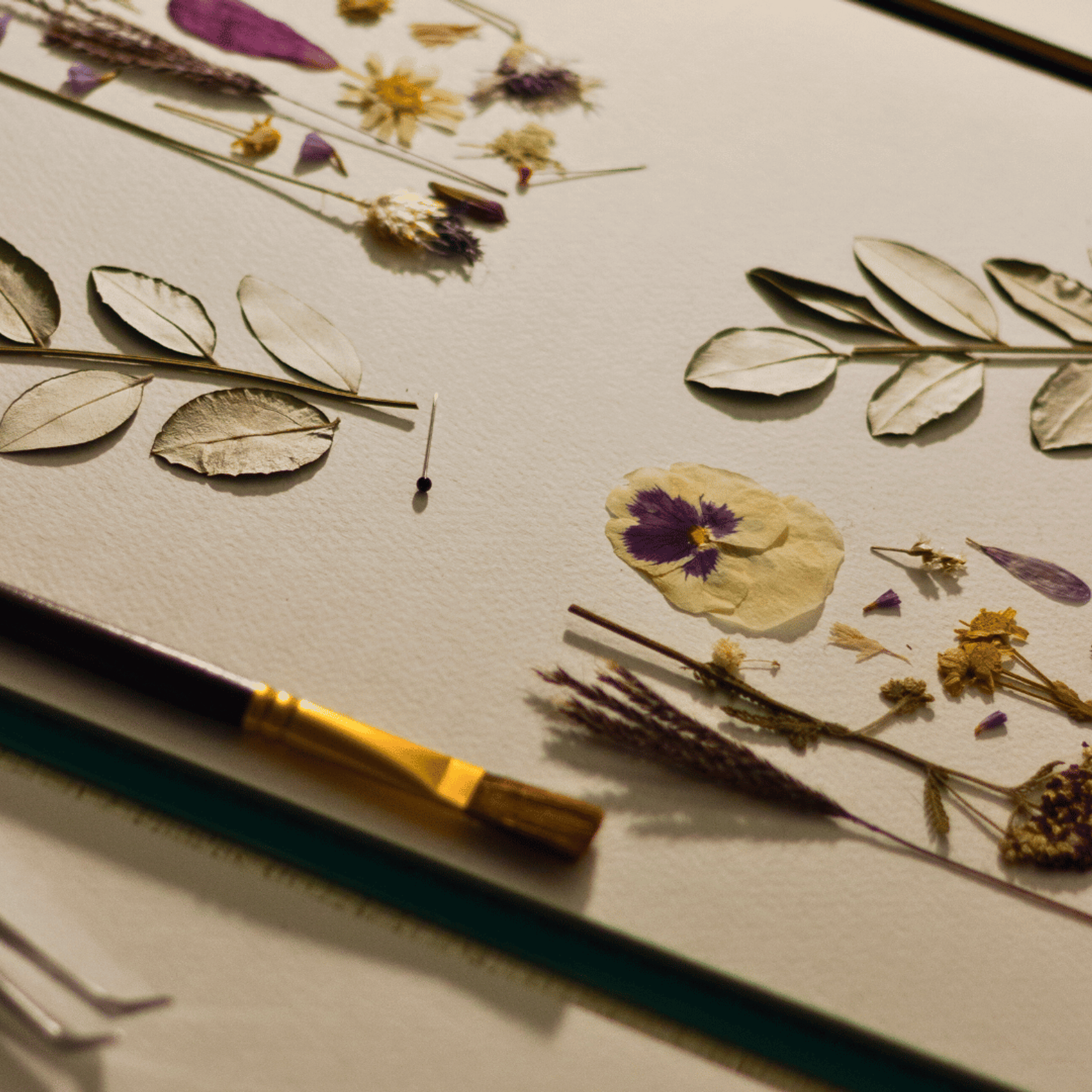
Interview: PELCER — Herbarij Studio: A Conversation About Plants That Last